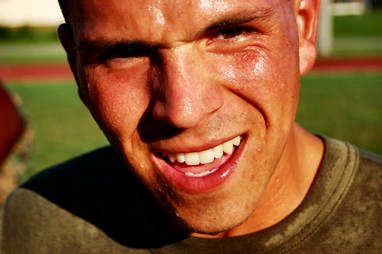
 Heat Exhaustion & heat stroke are a great concern especially over the summer months as the temperatures are on the rise, especially over the next few days in Brisbane. The most at risk groups are our little ones and those who are older. Did you know that once you are over 40 years in age that your body does not recognize you are dehydrated as early as it used to, therefore if you are thirsty you will require more fluids (water) than you realize to re-hydrate. Most of us when we get hot start to sweat, this is the normal mechanism to cool the bodies core temperature, but when this process is not functioning properly, that evaporation technique is not always adequate. Heat Exhaustion.Often heat exhaustion can begin with thirst and a headache leading onto nausea, dizziness which can lead to collapse. Just feeling lousy, unwell and maybe even discomfort.The body temperature is less than 40 deg C , will appear red & still be sweating in an attempt to cool down. Heat Stroke.This is worse than heat exhaustion as the core body temperature is rising and is above 40 deg C now, which is life threatening as now the bodies organs are being affected and it can cause unconsciousness and death.
2 Comments
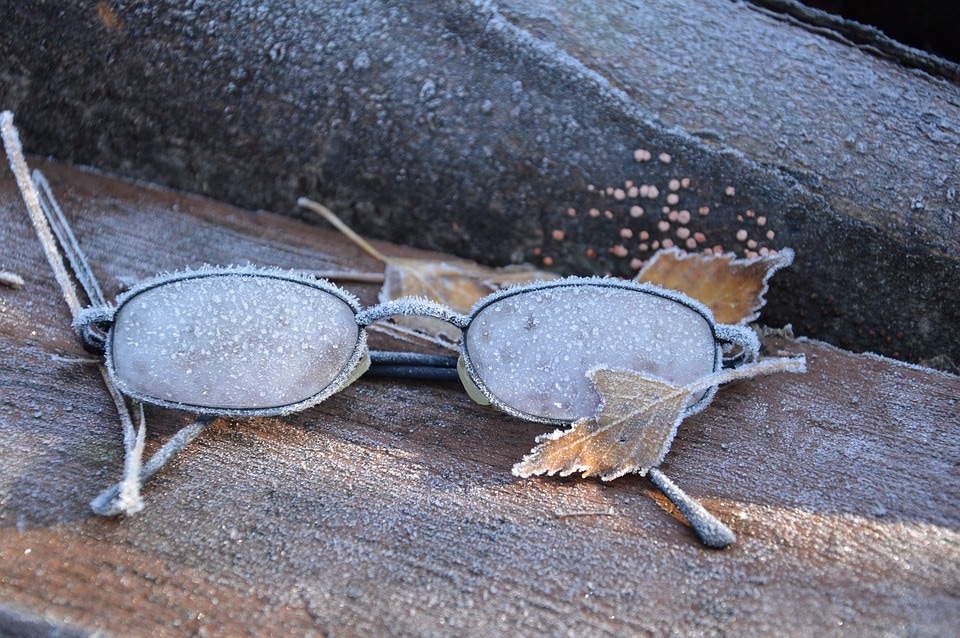
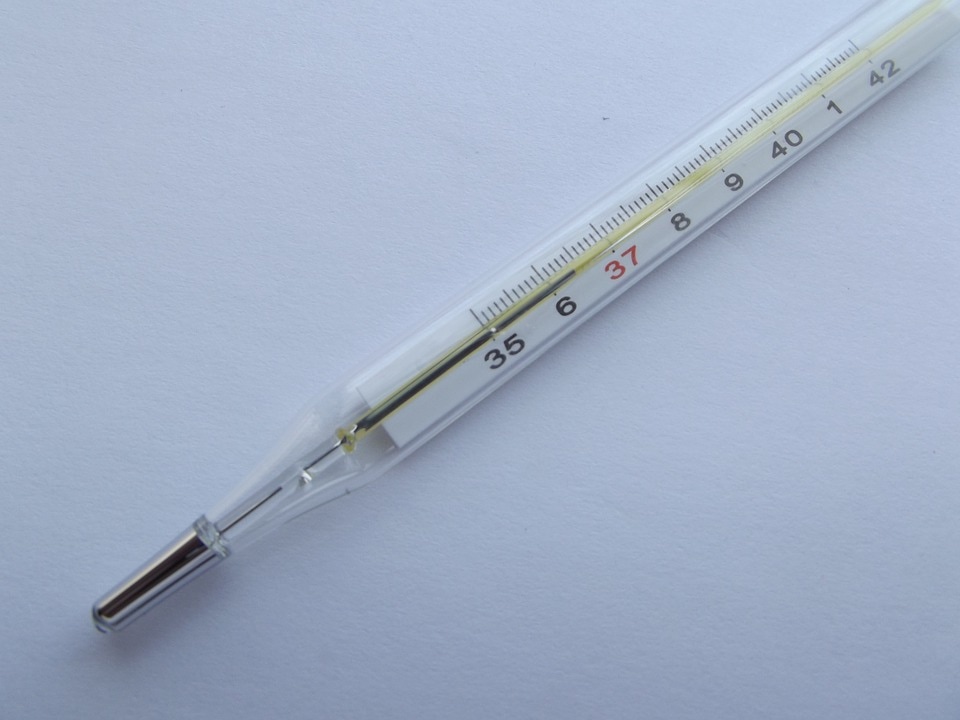
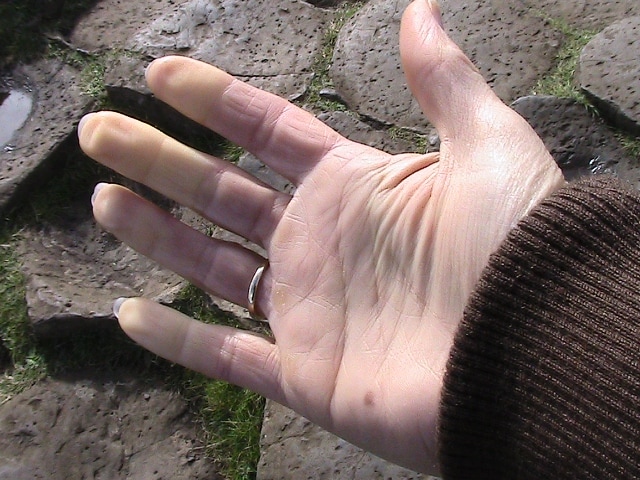
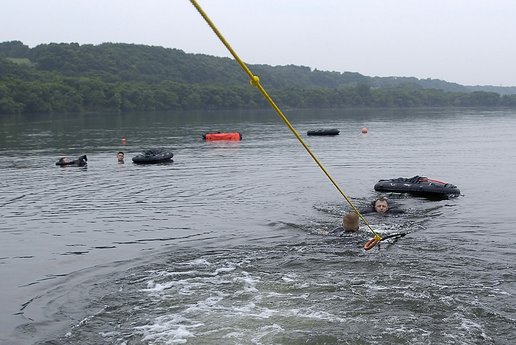 A lot of us have heard of the terrible situations where people have died from hypothermia and usually this is in places where there is snow, frost and ice. Can this happen here in Brisbane? Well the answer is yes! It sure can and there has been people who have nearly lost their lives or have indeed died. Just last year a man was pulled out of the Brisbane River suffering hypothermia, fortunately he was pulled out by two men who were nearby. A fishing boat was swamped by two waves early in the morning in Moreton bay and capsized, plunging the three occupants into the water, where one died and one other hung on to an esky and another to a fuel drum, until they were rescued and transported to hospital with hypothermia. COMMON CAUSES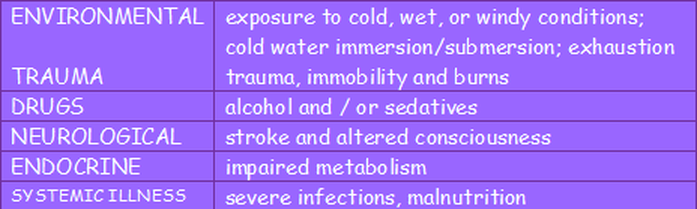 Hypothermia (hypo=low) is when the body temperature drops below 35°C, our temperature usually sits at 37ºC but can vary .5ºC of a degree either way and still be normal for that person. Hypothermia can happen when someone is in temperatures under 10°C for a long time, or if they have been in cold water such as a lake or the ocean when it is less than 20°C even someone working in a freezer room can experience hypothermia, especially when they don't wear the correct clothing, in the workplace this is called PPE (Personal protective equipment). They may not always be aware of what they are experiencing and therefore not realise their need for medical attention. The body has only a few degrees tolerance so if it is below 32°C this is indeed life threatening. Hypothermia can occur very suddenly such as falling into icy water or gradually being a deceptive process. WHO IS AT RISK?
|
AuthorI'm all about educating those who have completed a First Aid Course & those that haven't....... You can B-The one to make a difference so B-Ready! Archives
February 2018
Categories |
 RSS Feed
We Would Love to Have You train with us!

HoursOffice hours
M-Th: 9am - 5pm F: 9am-4pm |
Telephone |
|

|

|
|